Bpc 157 Oral Peptides Is the pill form of BPC-157 good?
\nIs the Pill Form of BPC-157 Good? An Objective Review for Active Men
\n\nIf you are a man in your late 20s or early 30s who lifts weights, trains in Jiu-Jitsu, or runs half-marathons, you have likely run into the frustrating wall of soft tissue injuries. Lingering golfer’s elbow, stubborn patellar tendinitis, or nagging gut issues can derail your training for months. In your search for faster recovery solutions, you have almost certainly encountered the buzz surrounding therapeutic peptides. Chief among them is Body Protection Compound-157.
\n\nFor years, the consensus in the biohacking and performance communities was that peptides had to be injected subcutaneously to do anything meaningful. However, the market has recently been flooded with dietary supplements claiming that oral capsules are just as effective, without the hassle of needles and bacteriostatic water. This brings us to a crucial question that thousands of active individuals are searching for: Is the pill form of BPC-157 good?
\n\nThe intent behind this guide is to cut through the heavy marketing fluff, pseudo-scientific claims, and aggressive influencer sponsorships. If you are trying to decide whether to drop $70 to $120 on a bottle of capsules, you deserve a grounded, consumer-first perspective. We will evaluate how oral BPC-157 behaves in the body, analyze real user data, review the limitations of current scientific literature, and establish a framework for identifying high-quality supplements versus outright scams.
\n\n\n\n
What Oral BPC-157 Is and Who It Might Fit Best
\nBPC-157 is a pentadecapeptide composed of 15 amino acids. It is a partial sequence of a naturally occurring "body protection compound" discovered in human gastric juice. Functionally, it is thought to play a role in systemic healing, cell survival, and angiogenesis (the formation of new blood vessels). Because it is naturally derived from stomach acid, it possesses an inherent resilience that many other fragile peptides lack.
\n\nWhen asking if oral BPC-157 capsules are effective, the answer depends largely on what you are trying to address. The oral format is fundamentally different from an injection in its pharmacokinetics and tissue distribution. When you swallow a capsule, the peptide immediately interacts with the mucosal lining of your esophagus, stomach, and intestinal tract before any systemic absorption occurs.
\n\nConsequently, the pill form might be an ideal fit for two specific profiles:
\n- \n
- The Gut Health Focus: Individuals managing inflammatory bowel symptoms, leaky gut, or general gastric discomfort. Because the peptide lands directly in the GI tract, its localized concentration is exceptionally high. \n
- The Needle-Averse Athlete: Fitness enthusiasts dealing with minor, widespread connective tissue issues who are structurally or psychologically unwilling to handle regular subcutaneous injections. \n
However, if your primary goal is to repair a completely ruptured Achilles tendon or a severe rotator cuff tear, expecting a standard over-the-counter pill to mimic localized clinical interventions is setting yourself up for disappointment.
\n\n\n\n
Practical Benefits and Where It Falls Short
\nTo truly understand if the pill form of BPC-157 is good, we need to move past laboratory petri dishes and look at how it plays out in real life. The primary practical benefit of oral capsules is sheer convenience. There is no need for refrigeration (for stable forms), insulin syringes, alcohol swabs, or precise mathematical calculations of micrograms per tick mark on a syringe. You simply take one or two capsules daily with water.
\n\nFurthermore, because oral delivery passes through the digestive tract, it avoids the localized skin irritation, bruising, or risk of infection associated with poorly managed injection sites.
\n\nBut oral delivery has distinct limitations. The primary enemy of any oral peptide is the harsh, highly acidic environment of the human stomach. Standard BPC-157 is typically bound to an acetate salt. When BPC-157 acetate hits stomach acid, it degrades rapidly, significantly lowering the amount of active peptide that survives to reach your intestines or your bloodstream. To combat this, advanced formulations use a stable arginate salt variant (BPC-157 L-Arginate), which is structurally modified to withstand acidic degradation for hours.
\n\nA Positive Case Study: Real-World Recovery
\n\n\n\nCase Profile: Mark, 31, amateur powerlifter.
\n
\n Issue: Mild, persistent medial epicondylitis (picker\'s elbow) and frequent bloating post-meals.
\n Protocol: 500 mcg of BPC-157 L-Arginate pills per day (divided into two 250 mcg doses) for 30 days.
\n Cost: $95 for a 60-capsule bottle.
\n Outcome: By day 10, Mark noticed a substantial reduction in his post-meal gastrointestinal distress. By week three, the sharp ache in his elbow during heavy chin-ups subsided to a dull, manageable sensation. Mark noted that while it did not completely "cure" his elbow, it brought the inflammation down enough for his physical therapy movements to finally take effect.
A Negative Case Study: When Pills Fail to Deliver
\n\n\n\nCase Profile: Jason, 28, recreational runner.
\n
\n Issue: Grade II patellar tendon tear confirmed via ultrasound.
\n Protocol: 500 mcg of standard BPC-157 Acetate capsules daily for 4 weeks.
\n Cost: $65 for a 30-day supply.
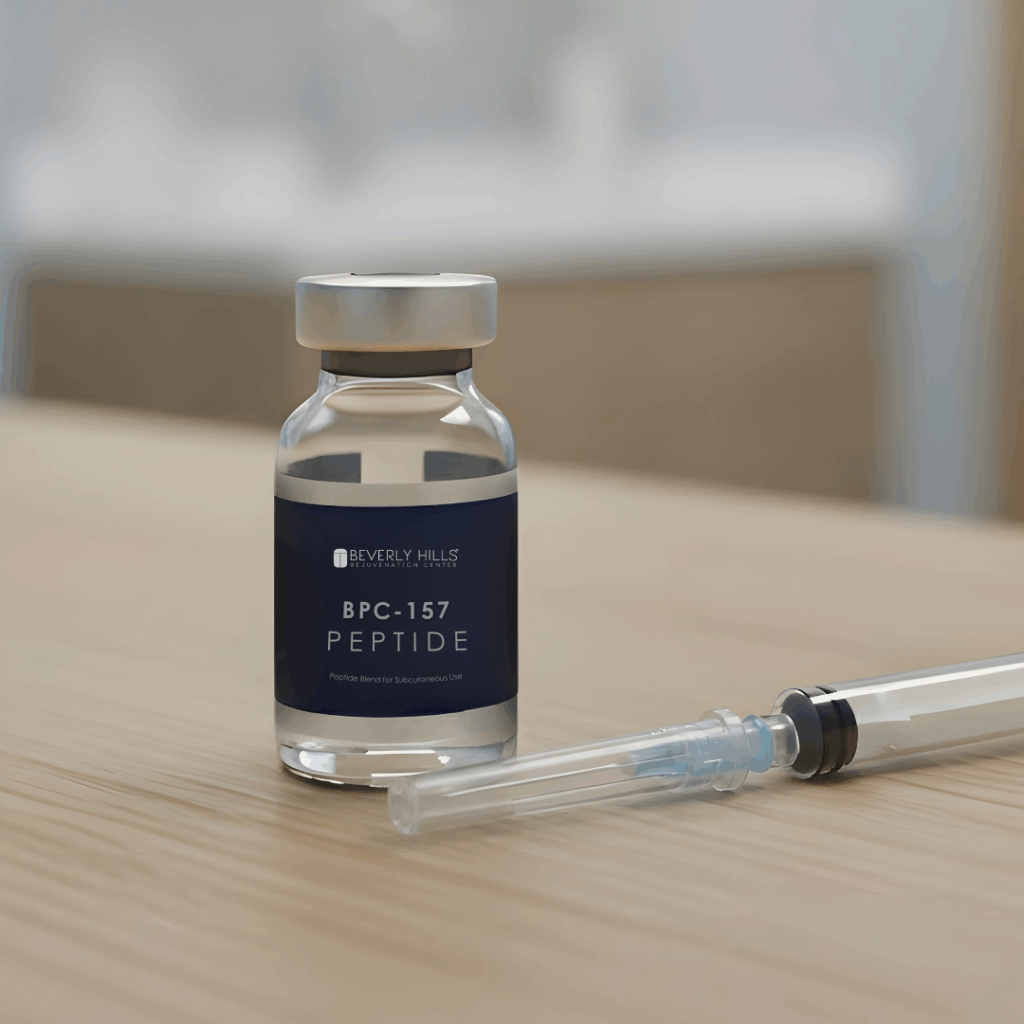
\n Outcome: Jason experienced zero changes in his knee pain, swelling, or mobility after four weeks of continuous use. Upon consulting a sports medicine specialist, he learned that the standard acetate form he took likely degraded in his stomach, and the microscopic amount that entered systemic circulation was completely inadequate for healing a structural, macroscopic tissue tear. He wasted $65 and postponed necessary orthopedic care.
\n\n
What Research Suggests and What It Doesn\'t
\nIf you read the product descriptions on supplement websites, you would think BPC-157 is an FDA-approved medical breakthrough capable of knitting bones together overnight. The objective reality is far more conservative. As of 2026, the vast majority of published literature on BPC-157 consists of animal models (rats and mice) and in vitro (cell culture) studies.
\n\nIn rodents, BPC-157 has demonstrated remarkable properties. Animal studies show that it accelerates the healing of transected Achilles tendons, promotes collateral angiogenesis after ischemic injuries, and protects the gastric mucosa against damage from heavy NSAID (aspirin or ibuprofen) usage. It appears to modulate growth factors like VEGF (Vascular Endothelial Growth Factor) and activate EGR-1, a gene crucial for early extracellular matrix formation.
\n\nHowever, what the research does not show is a library of large-scale, double-blind, placebo-controlled human clinical trials. We do not have definitive human pharmacokinetic data establishing the exact systemic bioavailability of oral BPC-157 in men. This means anyone taking oral BPC-157 is, to some extent, extrapolating animal data onto human physiology.
\n\nFurthermore, because it promotes angiogenesis (the growth of new blood vessels), there is a theoretical, unproven risk that it could accelerate the growth of existing, undetected vascular tumors or malignancies. While no study has shown BPC-157 to cause cancer, its mechanism dictates that anyone with a history of oncology issues should steer completely clear of it. Always keep your expectations grounded: pre-clinical promise does not automatically translate to guaranteed clinical human results.
\n\n\n\n
Ingredients, Formats, and Quality Signals
\nWhen evaluating if a specific BPC-157 capsule is worth your money, you must scrutinize the ingredient label like a scientist. Not all pills are created equal, and the supplement industry is notorious for under-dosing or substituting active ingredients with cheap fillers.
\n\n1. Acetate vs. Arginate Salt
\nCheck the exact form of the peptide listed in the supplement facts block. If it simply reads "BPC-157," it is almost certainly the standard acetate form. This form is far less stable in the presence of gastric juices. Look specifically for BPC-157 Arginate Salt or BPC-157 L-Arginate. This chemical stabilization ensures that the compound remains stable in human gastric juice for more than five hours, maximizing its structural integrity and potential systemic absorption.
\n\n2. Excipients and Delivery Modifications
\nPremium oral peptide supplements often include delayed-release or enteric-coated vegetable capsules (such as DRcaps). These specialized shells are designed to bypass the low pH of the stomach entirely, dissolving only when they reach the neutral pH environment of the small intestine. Avoid brands that pack the peptide into standard, cheap gelatin capsules without any structural protection.
\n\n3. Essential Quality Standards
\nBecause peptides are delicate chains of amino acids, they are highly susceptible to poor manufacturing practices, heavy metal contamination, and degradation. Never buy a bottle of BPC-157 pills unless the brand provides a transparent, verifiable Third-Party Certificate of Analysis (CoA) from an independent laboratory. This certificate must confirm:\n
- \n
- Identity: Verification via High-Performance Liquid Chromatography (HPLC) or Mass Spectrometry that the molecule is truly BPC-157. \n
- Purity: A purity score of at least 98% or higher. \n
- Heavy Metals & Microbials: Clear passes for lead, arsenic, cadmium, mold, and E. coli. \n
\n\n
Comparison of Common Options
\nTo help you contextualize where oral pills sit in the broader landscape of peptide use, let’s compare the three primary delivery formats available on the market today.
\n\n| Format | \nTypical Dose/Use | \nPros | \nCons | \nCost | \nBest For | \n
|---|---|---|---|---|---|
| BPC-157 Arginate Pills | \n250 - 500 mcg / daily (Oral) | \nExcellent gut targeting, no needles, highly stable, travel-friendly. | \nLower systemic availability than injections, premium pricing. | \n$80 - $120 per bottle | \nGut health, stomach lining repair, mild tendonitis. | \n
| BPC-157 Acetate Pills | \n500 - 1000 mcg / daily (Oral) | \nLower entry cost, completely non-invasive. | \nDegrades rapidly in stomach acid; requires much higher doses. | \n$50 - $70 per bottle | \nBudget-conscious buyers focusing purely on basic upper-GI issues. | \n
| Subcutaneous Injection | \n250 - 500 mcg / daily (SubQ) | \nNearly 100% systemic bioavailability; direct localized delivery potential. | \nRequires needles, reconstituting, strict refrigeration; risk of infection. | \n$60 - $90 per vial | \nSevere or acute joint, ligament, and muscle tears. | \n
| Nasal Spray Formats | \n200 - 400 mcg / daily (Intranasal) | \nAvoids the digestive tract entirely; rapid absorption via nasal mucosa. | \nCan cause nasal mucosal irritation; highly limited brand availability. | \n$70 - $100 per spray | \nSystemic inflammation support for those avoiding needles and pills. | \n
| Oral Liquid Droppers | \n250 - 500 mcg / daily (Sublingual) | \nAllows for partial sublingual absorption under the tongue. | \nUnpleasant chemical taste; difficult to measure precise microgram doses. | \n$65 - $90 per bottle | \nIndividuals who struggle to swallow solid capsules or pills. | \n
\n\n
Buying Framework and Red Flags
\nThe peptide market can feel like the wild west. Because the FDA does not evaluate dietary supplements for efficacy before they hit the market, the burden of verification rests entirely on you, the consumer. Use this actionable checklist before entering your credit card information:
\n\nThe Safe Buyer’s Checklist
\n- \n
- [ ] The product label explicitly states "BPC-157 L-Arginate" or "Stable Arginate Form". \n
- [ ] A batch-specific Certificate of Analysis (CoA) from an independent US or European lab is visible on the website. \n
- [ ] The milligram or microgram count per capsule is clearly broken down (e.g., 500 mcg per serving). \n
- [ ] The company has a transparent customer support channel, a physical address, and clear manufacturing transparency. \n
Critical Red Flags to Watch For
\n\n\nRed Flag #1: The "Proprietary Peptide Blend" Trick
\n
\n If a brand lists a proprietary blend totaling 5 mg but does not specify exactly how many micrograms of actual BPC-157 are inside, avoid it completely. They are likely packing the pill with cheap amino acids like leucine or glutamine and adding a microscopic, useless dusting of BPC-157.
\n\nRed Flag #2: Explicit Disease Treatment Claims
\n
\n Any brand claiming that their pills will "cure Crohn\'s disease," "fix arthritis in 7 days," or "permanently heal torn ligaments" is violating federal compliance laws. Legitimate, high-quality companies use cautious, structural-functional language (e.g., "Supports tissue recovery," "Promotes gastric lining integrity").
\n\n\nRed Flag #3: "For Research Purposes Only" on a Pill Label
\n
\n While raw peptide powders are often sold under this legal loophole, if a company sells pre-packaged, oral capsulated pills explicitly meant for oral ingestion but labels them as "Not for Human Consumption," it indicates an intentional evasion of consumer safety and manufacturing regulations.
\n\n
Common Mistakes and How to Avoid Them
\nIf you choose to experiment with oral BPC-157 capsules, avoiding these three common user pitfalls will protect your wallet and your health:
\n- \n
- Treating It Like a Shield Against Bad Lifestyle Choices: Taking BPC-157 pills for your gut while drinking alcohol daily and eating heavily processed foods is completely counterproductive. The peptide cannot out-heal active, localized lifestyle inflammation. Use it as an adjunctive support tool alongside a clean diet and structural recovery. \n
- Taking It on a Full Stomach: Swallowing your BPC-157 pill along with a massive, high-protein meal triggers a massive release of digestive enzymes and stomach acids to break down that food. This highly active chemical environment increases the likelihood that your peptide will be broken down into basic amino acids before it can exert its unique therapeutic benefits. For best results, take it on an empty stomach—either first thing in the morning or right before bed. \n
- Giving Up Too Early: Peptides are not pharmaceutical painkillers. They do not mask symptoms within thirty minutes. They work via cumulative signaling pathways. Expecting dramatic changes in 72 hours is unrealistic. A fair, cautious trial typically requires two to four weeks of consistent, daily administration. \n
\n\n
FAQ
\n\nQ1: Is oral BPC-157 proven to work for joint and tendon healing in humans?
\nTo be perfectly objective, oral BPC-157 is not definitively proven through extensive human clinical trial data. While millions of anecdotes and extensive rodent models demonstrate exceptional efficacy for tendon, ligament, and gastric healing, large-scale human data remains virtually non-existent. It should be approached as an experimental compound with high potential, rather than a clinically verified medical treatment.
\n\nQ2: How long does it take for oral BPC-157 to work on joint or gut issues?
\nBased on user reviews and pre-clinical observations, timeframes vary based on the target tissue. Users focusing on gut health often report improvements in bloating and digestion within 7 to 10 days. For soft tissue injuries like mild tendonitis or joint inflammation, it typically takes 2 to 4 weeks of consistent daily use before a noticeable reduction in structural discomfort occurs.
\n\nQ3: What are the primary side effects of BPC-157 pills?
\nMost young, active men tolerate oral BPC-157 exceptionally well. However, recorded side effects can include mild nausea, temporary stomach cramps, dizziness, or slight headaches during the first few days of use. Because it interacts with the gut-brain axis, a small percentage of users report transient feelings of fatigue or lethargy. If severe side effects occur, discontinue use immediately.
\n\nQ4: Can it combine with other recovery supplements like collagen or stable TB-500?
\nYes, oral BPC-157 can be effectively combined with other tissue-supportive supplements. It is frequently stacked with Type I and Type III hydrolyzed collagen peptides, Vitamin C, and oral TB-500 (Thymosin Beta-4 fragments) to create a comprehensive, multi-pathway recovery protocol. BPC-157 acts as a systemic modulator, while collagen provides the raw structural building blocks necessary to rebuild the extracellular matrix.
\n\nQ5: When looking at oral vs injection alternatives, which is superior for localized muscle tears?
\nWhen comparing oral vs injection alternatives for a severe, localized muscle or tendon tear, subcutaneous injection is generally considered superior. Injections avoid the destructive environment of the gastrointestinal tract completely, resulting in 100% bioavailability and allowing the compound to circulate systemically to peripheral joints far more effectively. Oral pills excel at treating localized gut inflammation and mild, systemic wear-and-tear, but fall short for acute structural muscle trauma.
\n\n\n\n
A Practical 2-Week Experiment Framework
\nIf you have consulted with your healthcare provider and decided to run a personal trial to see if oral BPC-157 works for your biology, do not just take it haphazardly. Use this cautious, structured 14-day protocol to accurately track your body\'s response:
\n\nPhase 1: The Tolerance Test (Days 1–3)
\nTake a half-dose (typically 250 mcg) once per day, first thing in the morning on an empty stomach, at least 30 minutes before consuming food or caffeine. Monitor your body closely for any adverse gastrointestinal distress, allergic reactions, or unexpected headaches.
\n\nPhase 2: The Saturation Window (Days 4–14)
\nIf you tolerate the compound perfectly, scale up to the standard recommended dose of 500 mcg per day. For optimal absorption, split this into two doses: 250 mcg in the morning on an empty stomach, and 250 mcg late in the evening, at least two hours after your last meal.
\n\nData Tracking Parameters
\nKeep a daily journal during these 14 days, rating the following metrics on a simple scale of 1 to 10:\n
- \n
- Localized Pain: The sharp or dull ache in your target joint during specific movements. \n
- Digestive Comfort: Instances of post-meal bloating, gas, or irregular bowel movements. \n
- Sleep Quality & Energy: Any disruptions to your sleep architecture or morning wakefulness. \n
\n\n
About the Author
\nReviewer Profile: Ethan Cole is a certified sports nutrition specialist and an independent consumer health investigator. Over the past eight years, he has specialized in analyzing performance supplements, recovery protocols, and peptide formulations for active men aged 25 to 45. He does not accept financial compensation from supplement brands for biased positive reviews.
\n\nMedical Disclaimer: The information contained in this article is strictly for educational, informational, and entertainment purposes. BPC-157 is not regulated or approved by the FDA as a dietary supplement or drug to treat, cure, or prevent any medical condition or disease. This content does not constitute medical advice. Always consult with a licensed, qualified physician before introducing any experimental peptide or supplement into your health routine, especially if you have underlying chronic conditions or are taking prescription medications.
\n
Discussion