Bpc 157 Peptide Buy What does BPC-157 heal?
\nWhat Does BPC-157 Heal? A Real-World Look at Peptide Benefits, Risks, and Quality Signs
\n\nIf you are a guy in your late 20s or early 30s who lifts weights, trains Jiu-Jitsu, or runs half-marathons, dealing with injuries is an unfortunate rite of passage. You hit a point where your body no longer bounces back overnight. Minor tweaks turn into chronic nagging aches, and suddenly you are spending more time foam rolling than actually training. This frustration explains why the fitness and biohacking communities are flooded with discussions about synthetic peptides. At the very center of this conversation is one recurring question: what does BPC-157 heal?
\n \nSearch online and you will find an overwhelming wave of anecdotal praise. Enthusiasts on Reddit claim it knit their torn rotator cuffs back together in weeks, while fitness influencers talk about it like it is Wolverine\'s healing factor in a vial. But as a consumer, it is crucial to cut through the hype. The market for research chemicals is highly unregulated, human clinical data is scarce, and the line between an actual physiological benefit and a strong placebo effect can be razor-thin. This article offers an objective, cautious look at what BPC-157 might actually do, where it falls short, and how to evaluate the market without falling for predatory marketing.
\n\n\n\n
What BPC-157 Peptide Therapy Is and Who It Might Fit Best
\nBPC-157, or Body Protection Compound 157, is a synthetic peptide consisting of 15 amino acids. It is derived from a protective protein naturally found in human gastric juice. In a biological context, peptides act as cellular messengers, signaling specific pathways to turn on or off. While your body produces its own healing factors, the synthetic, isolated version of BPC-157 is designed to deliver a highly concentrated signal to specific tissues.
\n \nWhen looking at the target demographic for this compound, it primarily attracts men aged 25-34. At this stage of life, athletic performance is often at its peak, but natural recovery rates are subtly beginning to decelerate. It typically appeals to three distinct groups:
\n- \n
- The Injured Athlete: Individuals dealing with persistent connective tissue issues—such as patellar tendonitis, tennis elbow, or minor labral frays—that have not fully responded to standard physical therapy. \n
- The Chronic Inflammation Sufferer: Men experiencing systemic joint discomfort or systemic gut irritation who want to supplement their existing lifestyle interventions. \n
- The Biohacking Enthusiast: Individuals interested in optimizing recovery timelines and exploring cutting-edge experimental compounds, fully aware of the lack of formal FDA approval. \n
It is important to emphasize that BPC-157 is not a substitute for proper sleep, a structured diet, or professional physical therapy. It is best viewed as an experimental, secondary tool rather than a foundational health requirement.
\n\n\n\n
Practical Benefits and Where It Falls Short
\nWhen exploring the core question of what does BPC-157 heal, it helps to look at how real-world experiences play out. Anecdotal evidence suggests that the compound works best on tissues with poor natural blood supply, such as tendons and ligaments. However, response rates vary wildly, and negative experiences are more common than the internet forums care to admit.
\n\nCase Study 1: Acceleration of Tendon Recovery (The Positive Case)
\nLet\'s look at Mark, a 31-year-old amateur powerlifter who had been battling debilitating medial epicondylitis (golfer\'s elbow) for over eight months. Standard treatments—including a six-week training layoff, regular icing, and eccentric loading protocols—offered only temporary relief. Mark decided to try a 30-day course of sub-Q (subcutaneous) BPC-157, dosing 250 mcg twice daily.
\nBy day 10, Mark reported a noticeable reduction in the sharp, localized pain when gripping heavy dumbbells. By week four, the morning stiffness that usually made it hard to open a jar was largely gone. For Mark, the peptide did not magically grow new tissue, but it appeared to break a prolonged inflammatory stall, allowing his physical therapy exercises to finally take effect. The total cost for his 30-day experiment was roughly $120 for the compound and bacteriostatic water.
\n\nCase Study 2: Systemic Anxiety and Lack of Effect (The Negative Case)
\nConversely, consider Dave, a 28-year-old runner dealing with a mild hamstring strain. Eager to get back to sprinting, Dave purchased an oral BPC-157 acetate formulation from an online vendor for $90. He took 500 mcg daily for three weeks.
\nNot only did his hamstring show zero measurable improvement in flexibility or pain reduction, but Dave also began experiencing unexplained bouts of mild anxiety, brain fog, and an uncomfortable "wired but tired" feeling around 45 minutes after each dose. He discontinued use on day 22. Dave’s case highlights two major realities: oral acetate formulations often suffer from poor systemic bioavailability for peripheral muscle injuries, and individual neurological side effects can occur due to the peptide\'s interaction with the gut-brain axis and neurotransmitter pathways.
\n\n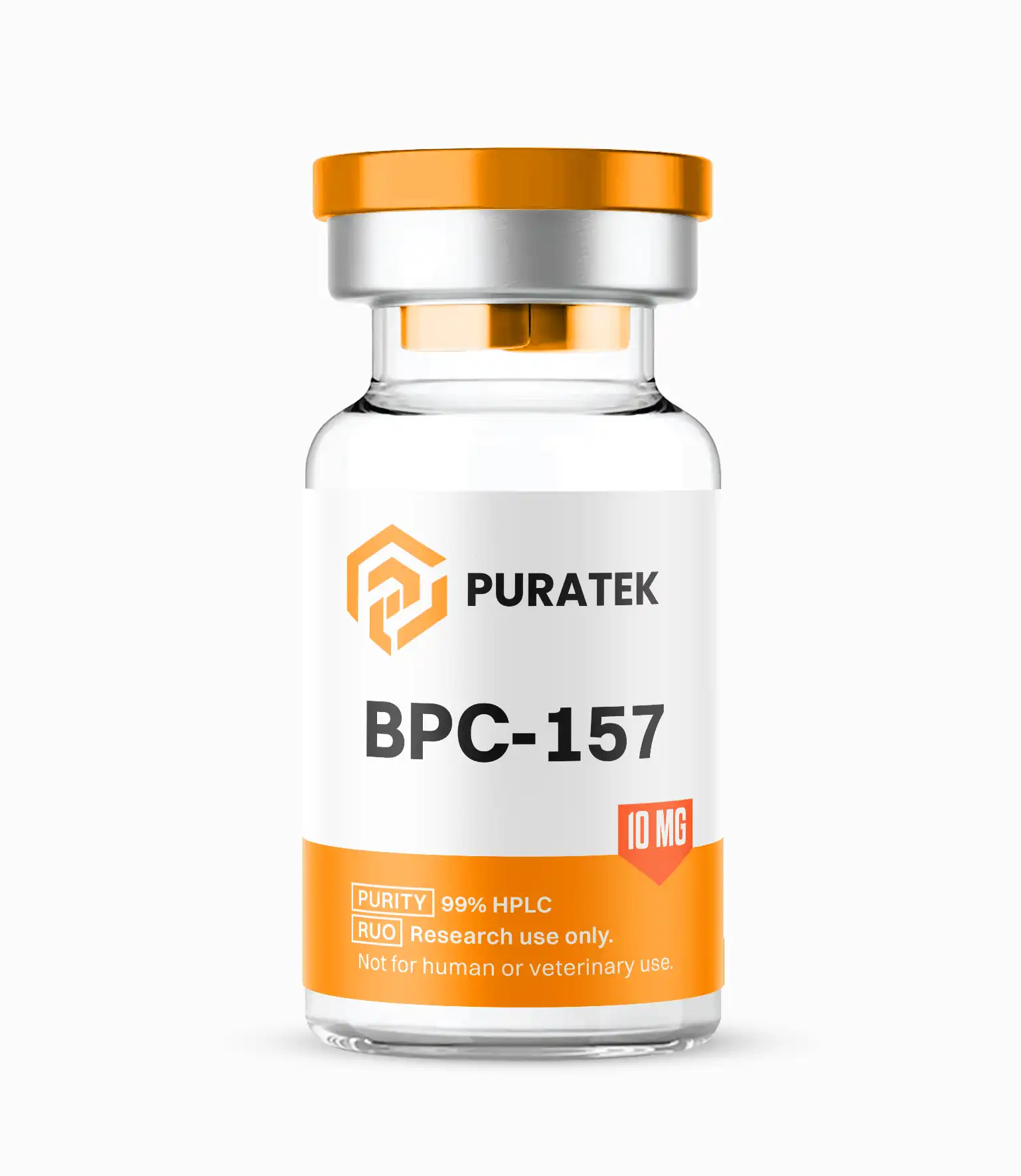 \n
\n\n
What Research Suggests and What It Doesn\'t
\nTo understand what does BPC-157 heal from a scientific standpoint, we must look directly at the literature. The most critical caveat to understand right now is that nearly all published studies on BPC-157 have been conducted on animal models—primarily rats and mice.
\n \nIn these animal studies, researchers have observed several highly consistent mechanisms:
\n- \n
- Angiogenesis: BPC-157 has been shown to accelerate the formation of new blood vessels. Because tendons and ligaments are notoriously avascular (lacking blood supply), this increased blood flow is the primary mechanism believed to accelerate soft-tissue repair. \n
- Upregulation of Growth Factor Receptors: Animal models indicate that the peptide increases the expression of growth hormone receptors in skin and tendon fibroblasts, which directly aids cellular proliferation. \n
- Gastric Mucosal Protection: Studies consistently show it helps repair ulcers and inflammatory bowel conditions in rodents by stabilizing the cellular lining of the stomach and intestines. \n
\n The Major Caveat: Mice are not humans. While these cellular mechanisms are fascinating, human physiology is infinitely more complex. There are currently no large-scale, peer-reviewed, double-blind human clinical trials validating these exact healing rates in human athletes. \n\n\n
Furthermore, because BPC-157 promotes angiogenesis (the growth of new blood vessels), there is a theoretical, unproven risk regarding pre-existing oncological conditions. If an individual has an undiagnosed tumor, introducing a strong angiogenic agent could theoretically accelerate blood supply to that tumor. This is why anyone with a family history of cancer must approach this compound with extreme caution.
\n\n\n\n
Ingredients, Formats, and Quality Signals
\nIf you choose to navigate the market, you will quickly discover that BPC-157 is sold in two distinct chemical structures and several physical forms.
\n\n1. Chemical Formats: Arginate vs. Acetate
\nThe standard, cheaper version found across most research sites is BPC-157 Acetate. This form is highly unstable when exposed to stomach acid. If you swallow an acetate capsule, the gastric juices will rapidly degrade the peptide before it can be effectively absorbed into your systemic circulation. Therefore, Acetate is strictly best suited for subcutaneous injection.
\nThe more advanced form is BPC-157 Stable Arginate (often bonded with an arginate salt). This chemical modification prevents gastric acid from breaking down the peptide sequence, making it highly effective for oral administration, particularly if you are targeting localized issues within the digestive tract or stomach lining.
\n\n2. Physical Product Forms
\n- \n
- Lyophilized Powder (Injectable): Comes in a sealed glass vial containing a puck of freeze-dried white powder. It requires reconstitution with Bacteriostatic Water (sterile water mixed with 0.9% benzyl alcohol) and must be stored in the refrigerator. \n
- Oral Capsules: Convenient and non-invasive, but you must ensure the label explicitly states "Stable Arginate" if you want systemic benefits. \n
- Nasal Sprays: An emerging format aimed at systemic absorption via the nasal mucosa, though data on its exact bioavailability remains highly speculative. \n
3. Critical Quality Signals
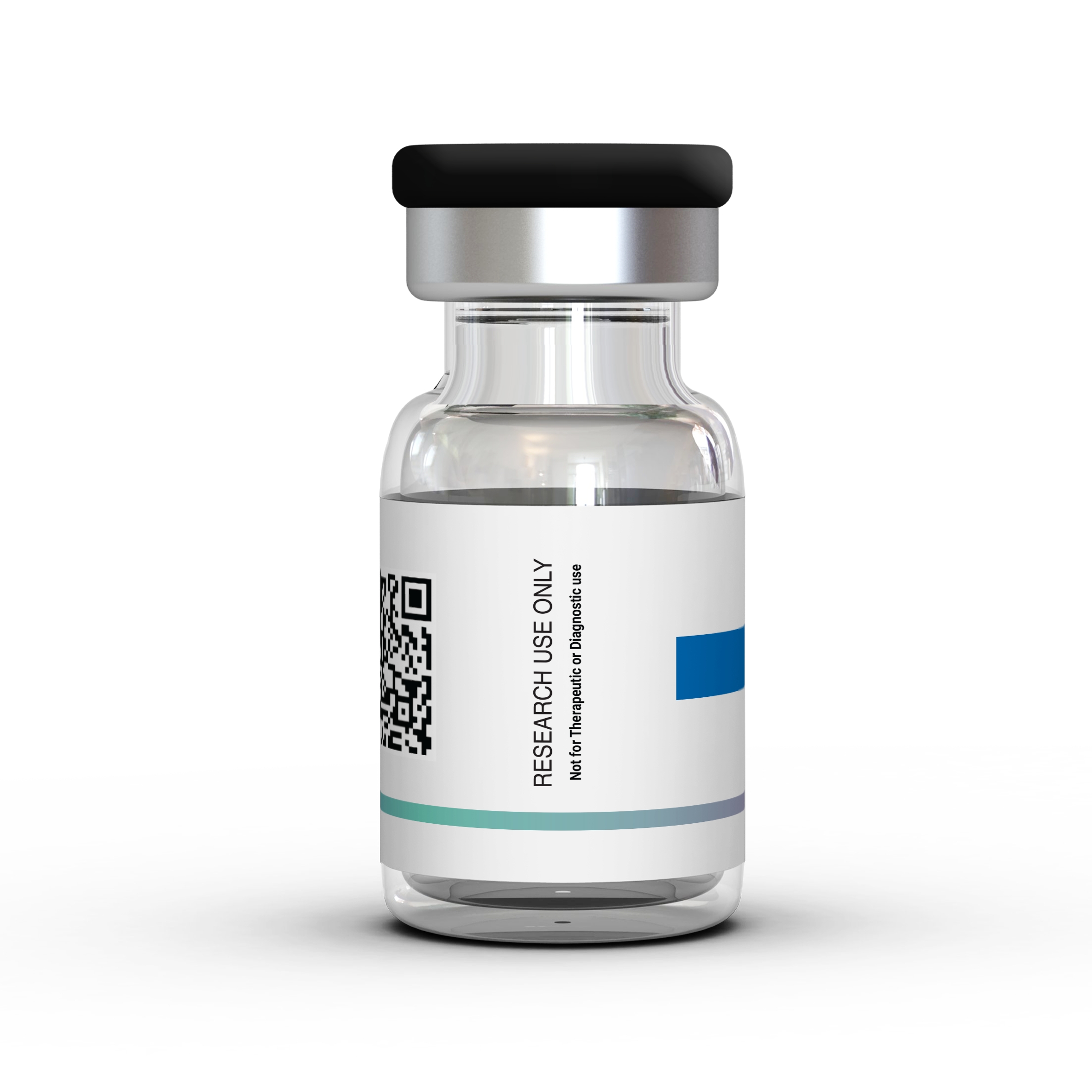
\nBecause these products are rarely sold as dietary supplements and are instead labeled "for research purposes only," the buyer bears all the risk. You should never buy from a company that does not prominently display a recent Third-Party HPLC (High-Performance Liquid Chromatography) and MS (Mass Spectrometry) report. This document verifies two critical things: purity (which should be above 98%) and accuracy of content (ensuring a 5mg vial actually contains 5mg of the active peptide, rather than cheap filler or heavy metal contaminants).
\n\n\n\n
Comparison of Common BPC-157 Options
\nTo give you a clearer bird\'s-eye view of how different BPC-157 formats behave in practice, use the comparative table below to evaluate potential pathways.
\n\n| Format | \nTypical Dose/Use | \nPros | \nCons | \nEstimated Cost | \nBest For | \n
|---|---|---|---|---|---|
| Subcutaneous Injection (Acetate) | \n250 - 500 mcg per day, split into 1-2 doses. | \nNearly 100% systemic bioavailability; fastest localized tissue response. | \nRequires needles, mixing; risk of injection site irritation or infection. | \n$45 - $70 per 5mg vial | \nLocalized tendonitis, joint pain, ligament strains. | \n
| Oral Capsule (Stable Arginate) | \n500 mcg once daily on an empty stomach. | \nNo needles; highly stable in gut; easy to travel with. | \nLower systemic absorption compared to direct injections. | \n$80 - $120 per bottle (60 caps) | \nGastric inflammation, ulcers, leaky gut issues. | \n
| Oral Capsule (Standard Acetate) | \n250 - 500 mcg twice daily. | \nCheap and easy to swallow. | \nExtremely low systemic bioavailability; largely wasted in stomach acid. | \n$40 - $60 per bottle | \nNot recommended due to poor survival in gastric juices. | \n
| Nasal Spray | \n1-2 sprays per nostril daily (approx. 200 mcg). | \nAvoids GI tract and needles; rapid mucosal uptake. | \nVery limited data on consistency of dosing; can irritate nasal passages. | \n$60 - $90 per spray bottle | \nSystemic wellness or those completely averse to needles. | \n
| Topical Cream/Gel | \nApplied directly over joint twice daily. | \nZero systemic impact; direct skin application. | \nPeptides have high molecular weight; rarely penetrate skin barrier effectively. | \n$50 - $80 per pump | \nSuperficial skin issues; largely ineffective for deep joint repair. | \n
\n\n
Buying Framework and Red Flags
\nNavigating the internet for research chemicals feels a bit like the Wild West. To protect your wallet and your health, run through this comprehensive checklist before entering your credit card details on any website:
\n\n- \n
- [ ] Check for COAs (Certificates of Analysis): Is there a visible link to a third-party testing lab (like MZ Biolabs or Janoshik)? Is the report dated within the last 3-6 months? \n
- [ ] Analyze the Pricing Structure: If a vendor is selling a 10mg vial for $20 while the rest of the market charges $60, the product is almost certainly under-dosed, degraded, or entirely fake. \n
- [ ] Inspect the Domain and Content: Avoid sites that look like they were built overnight, feature spammy pop-ups promising "guaranteed 100% cures," or lack a clear, functional customer service email. \n
- [ ] Confirm the Chemical Structure: If buying oral options, make sure the label specifically reads BPC-157 Arginate or Stable Form. Do not buy generic oral "BPC" without this distinction. \n
- [ ] Verify Shipping Practices: Lyophilized peptides are relatively stable during transit, but they should not be exposed to extreme summer heat for weeks at a time. Ensure the company ships from an air-conditioned domestic warehouse. \n
 \n
\n\n
Common Mistakes and How to Avoid Them
\nMany first-time users fail to see results with BPC-157 simply because they execute their protocol incorrectly. Here are the top missteps to watch out for:
\n\nMistake 1: Aggressive Reconstitution
\nWhen mixing bacteriostatic water into a vial of lyophilized powder, shooting the liquid directly onto the powder puck can shear and destroy the delicate peptide bonds. Instead, slowly drip the water down the inside glass wall of the vial, then gently swirl it. Never shake a peptide vial violently.
\n\nMistake 2: Improper Storage
\nOnce reconstituted into a liquid state, BPC-157 becomes highly sensitive to temperature and light. Leaving it on a warm countertop or exposed to direct sunlight will rapidly ruin the compound. Keep your active vial tucked away in the back of your refrigerator.
\n\nMistake 3: Treating It Like a Permanent Cure for Bad Mechanics
\nIf you have tennis elbow because your bench press form is terrible, BPC-157 might temporarily reduce the pain. However, if you return to lifting with the exact same poor mechanics, the injury will simply reoccur. Use the temporary healing window to fix the underlying biomechanical flaws causing the stress in the first place.
\n\n\n\n
FAQ: Navigating BPC-157 Recovery and Usage Questions
\n \nQ1: Is BPC-157 scientifically proven to heal human joint injuries?
\nNo, it is not formally proven or approved for human use by regulatory agencies like the FDA. While animal studies regarding tendon, bone, and skin repair are highly encouraging, large-scale human clinical trials are absent. Current data relies heavily on anecdotal consumer case reviews and pre-clinical animal models.
\n\nQ2: How long does it typically take for BPC-157 to work on tissue injuries?
\nIn cases where users respond positively, subtle changes in localized inflammation and pain reduction are often reported within 7 to 14 days. A standard experimental cycle typically lasts between 4 to 6 weeks. If no measurable benefit is felt by week 4, continuing the cycle is rarely productive.
\n\nQ3: What are the most common side effects of using BPC-157?
\nWhile generally tolerated well by users, reported side effects include localized redness or bruising at the injection site, mild dizziness, temporary headaches, and gastrointestinal distress. A small subset of users report sudden, temporary spikes in anxiety or lethargy due to interactions with central neurotransmitter pathways.
\n\nQ4: Can it combine with other compounds like TB-500 for enhanced recovery?
\nIn online biohacking circles, pairing BPC-157 with TB-500 (a peptide fragment derived from Thymosin Beta-4) is an incredibly common stack. While BPC-157 is thought to focus heavily on localized angiogenesis and fibroblasts, TB-500 is believed to support wider systemic tissue migration and muscle repair. However, stacking multiple unregulated peptides simultaneously inherently multiplies your risk of encountering adverse reactions.
\n\nQ5: What are the primary differences between oral vs injection alternatives?
\nThe primary difference comes down to target location and chemical stability. Injectable BPC-157 Acetate bypasses the digestive system completely, providing high systemic availability that is ideal for peripheral joint and tendon repair. Oral BPC-157 Stable Arginate resists stomach acid degradation, making it highly effective for localized issues within the digestive tract, though it yields lower overall systemic concentrations compared to a direct injection protocol.
\n\n\n\n
A Practical 2-Week Experiment Framework
\nIf you have weighed the risks, spoken with a sports-medicine physician, and decided to run a personal trial, it is best to approach it systematically. Rather than guessing, follow a strict framework to assess your baseline response.
\n\nPhase 1: Baseline Assessment (Days 1–3)
\nBefore introducing the compound, document your starting metrics. Rate your localized injury pain on a scale of 1-10 during a specific movement (e.g., performing a bodyweight squat or gripping a barbell). Note your morning stiffness levels and track your resting heart rate. Buy your supplies—such as alcohol swabs, a sharps disposal container, and sterile bacteriostatic water—well ahead of time.
\n\nPhase 2: The Micro-Dose Introduction (Days 4–6)
\nInstead of jumping immediately to a full therapeutic dose, run a tolerance test. If your target daily dose is 500 mcg, administer a single micro-dose of 100 mcg on day 4. Monitor your body for any immediate systemic anomalies, such as sudden heart palpitations, extreme flushing, rashes, or acute dizziness. If your body responds neutrally, you can slowly scale up to the standard protocol over the next two days.
\n\nPhase 3: Consistent Tracking (Days 7–14)
\nAdminister your chosen dose consistently at the same time every day. Maintain a daily journal detailing your pain scores, sleep quality, and any changes in training performance. Do not radically increase your training volume just because you feel a little better; keep your physical variables steady so you can accurately determine if the peptide is truly driving your recovery.
\n\n\n\n
About the Author
\nAlex Harrison, CSCS, is a human performance analyst and independent health researcher specializing in athletic recovery protocols for lifestyle athletes. With over eight years of experience tracking emerging sports compounds and reviewing third-party lab documentation, Alex focuses on parsing clinical data without the sensationalism often found in modern fitness media.
\n \nDisclaimer: The information contained in this article is strictly for educational and informational purposes. BPC-157 is classified as a research chemical and is not approved for human consumption by the FDA or the World Anti-Doping Agency (WADA). This content does not constitute medical advice, diagnosis, or treatment. Always consult with a qualified physician before introducing any experimental peptide or supplement into your routine.
\n
Discussion