Peptide Sciences Bpc-157 Is BPC-157 hard on the kidneys?
\nIs BPC-157 Hard on the Kidneys? A Candid Review for Men Over 55
\n\nIf you are a man over the age of 55, maintaining your physical independence is likely a top priority. Decades of lifting weights, working manual jobs, or simply staying active can leave behind a trail of chronic shoulder discomfort, aching knees, or lower back stiffness. When standard over-the-counter options fail to provide relief, it is completely natural to look toward modern longevity supplements. Lately, a compound called BPC-157 has dominated online forums, podcasts, and wellness clinics, praised for its purported ability to accelerate soft tissue repair.
\n\nHowever, getting older also means becoming more protective of your internal health. Unlike a 25-year-old athlete who might blindly try any new supplement, an experienced consumer naturally questions the systemic toll of these compounds. Specifically, a pressing concern has emerged among older wellness enthusiasts: Is BPC-157 hard on the kidneys? Because renal function gradually declines with age, introducing any unregulated peptide demands careful scrutiny. This article aims to cut through the marketing hype and provide an objective, real-world assessment of how BPC-157 affects your body, what the research actually says, and whether the potential rewards outweigh the risks for your demographic.
\n\n\n\n
What Is BPC-157 and Who It Might Fit Best
\nBPC-157, or Body Protection Compound 157, is a synthetic peptide consisting of 15 amino acids. It is derived from a protective protein naturally found in human gastric juice. In the body, natural gastric peptides help shield and repair the stomach lining from acid stress. The synthetic version is engineered to replicate and amplify these regenerative signals throughout the body, particularly in tissues with poor blood supply, like tendons, ligaments, and cartilage.
\n\nFor men over 55, this compound is rarely sought out for muscle growth or aesthetic improvements. Instead, it typically fits those dealing with stubborn, age-related wear and tear that hasn\'t responded to physical therapy or standard rest. This includes individuals struggling with chronic rotator cuff tendinitis, plantar fasciitis, or lingering knee issues that disrupt daily walks and golf swings. It is also frequently considered by individuals looking to heal old injuries without relying on Non-Steroidal Anti-Inflammatory Drugs (NSAIDs), which are notorious for causing gastrointestinal irritation and kidney strain when used long-term.
\n\n\n\n
Practical Benefits and Where It Falls Short
\nWhen evaluating user experiences, the feedback on BPC-157 is highly polarized. Some users report substantial improvements in mobility, while others experience zero changes or undesirable side effects. To provide a balanced perspective, let’s look at two distinct real-world cases from consumers in our age bracket who integrated BPC-157 into their recovery routines.
\n\nA Positive Case Study: Jim’s Shoulder Recovery
\nJim, a 58-year-old retired contractor, had been battling a partial tear in his left rotator cuff for over eighteen months. Conventional physical therapy provided minor relief, but the constant ache interrupted his sleep. Eager to avoid surgery, Jim consulted a local anti-aging clinic. He was prescribed a 30-day course of injectable BPC-157, dosed at 250 mcg twice daily, totaling 500 mcg per day. The total cost for the month-long supply was approximately $350, including medical consultation fees.
\nBy week three, Jim noticed a noticeable reduction in nighttime throbbing. By the end of the 30 days, his overhead mobility had improved sufficiently to allow him to return to light garden work. Crucially, Jim underwent routine blood work before and after the cycle. His blood urea nitrogen (BUN) and serum creatinine levels remained completely stable, indicating no immediate renal distress. For Jim, the protocol provided a safe, supportive bridge to recovery.
\n\nA Cautionary Failure Case: Robert’s Unvetted Experiment
\nConversely, consider the experience of Robert, a 62-year-old avid cyclist dealing with chronic patellar tendinitis. Seeking a cheaper alternative to clinical programs, Robert purchased unvetted, raw powder BPC-157 online from an overseas "research chemical" vendor for $60. Attempting to save money, he guessed his dosages and used an aggressive, unmonitored protocol of roughly 1,000 mcg per day.
\nWithin ten days, Robert did not experience joint relief; instead, he began suffering from mild nausea, unexpected fatigue, and noticeable water retention around his ankles. Alarmed by the fluid retention, he stopped the compound and visited his primary care physician. A metabolic panel revealed a temporary spike in his serum creatinine levels, suggesting his kidneys were working overtime to filter out either an excessive dosage or, more likely, chemical impurities present in the unverified product. Robert’s case highlights a critical lesson: cutting corners on quality and dosage can directly jeopardize your organ health.
\n\n \n
\n\n
What Research Suggests and What It Doesn\'t
\nWhen addressing the core question—is BPC-157 hard on the kidneys?—it is vital to separate laboratory data from human reality. To date, the vast majority of studies on BPC-157 have been conducted on rodents (rats and mice) or in vitro (cell cultures). In these animal models, researchers have actually observed the exact opposite of toxicity: BPC-157 frequently demonstrates organ-protective qualities. For instance, in studies where rats were given toxic doses of NSAIDs or chemotherapy agents known to cause severe renal damage, co-administering BPC-157 appeared to mitigate kidney tissue degradation and promote cellular healing.
\n\nHowever, the glaring limitation is the absence of large-scale, long-term human clinical trials. Animal metabolic rates and organ pathways differ significantly from those of an aging human body. We currently lack robust data confirming how a human kidney, which naturally experiences a gradual decline in nephrons past age 50, processes synthetic BPC-157 over several months. Because peptides are primarily broken down by cellular enzymes and filtered through the renal system, any preexisting compromise in kidney function could theoretically cause accumulation or stress. Therefore, while current animal data suggests BPC-157 is not inherently nephrotoxic, the lack of human verification means absolute safety cannot be guaranteed.
\n\n\n\n
Ingredients, Formats, and Quality Signals
\nIf you choose to explore BPC-157, understanding what you are putting into your body is your first line of defense. The market is flooded with various product formats, primarily divided into oral capsules and subcutaneous injectables. Oral formats often feature stable BPC arginate salts, which are formulated to withstand stomach acid, making them highly popular for gut health and systemic inflammation. Injectable formats consist of lyophilized (freeze-dried) powder that must be reconstituted with bacteriostatic water, targeting localized joint issues more directly.
\nThe pure ingredient list should contain nothing more than the 15-amino-acid peptide sequence and its stabilizing agent (such as acetate or arginate). The real danger lies in secret fillers, heavy metal contamination, or residual solvents left behind during cheap manufacturing processes. To protect your kidneys from processing hidden toxins, look for the following quality signals:
\n- \n
- High-Resolution HPLC Testing: A legitimate supplier must provide a recent High-Performance Liquid Chromatography (HPLC) report showing a product purity level of 99% or higher. \n
- Mass Spectrometry (MS) Verification: This ensures that the substance in the vial is actually BPC-157 and not a mislabeled, cheaper peptide sequence. \n
- Sterility and Endotoxin Reports: Vital for injectables to guarantee the product is free from bacteria and inflammatory pyrogens. \n
\n\n
Comparison of Common Options
\nNavigating the peptide marketplace can be overwhelming. Below is an objective breakdown of the most common formats available to consumers, including their standard applications, pros, cons, estimated monthly costs, and who they are best suited for.
\n\n| Format | \nTypical Dose/Use | \nPros | \nCons | \nCost (Monthly) | \nBest For | \n
|---|---|---|---|---|---|
| Oral Capsules (Arginate Salt) | \n500 mcg per day (Single oral dose) | \nConvenient; no needles; excellent for gut issues and systemic inflammation. | \nLower localized bioavailability for distant joint injuries. | \n$90 – $150 | \nMen over 55 focused on gut health or mild, widespread joint aches. | \n
| Clinical Subcutaneous Injection | \n250 mcg – 500 mcg daily (Injected locally near injury) | \nHigh bioavailability; medical oversight; verified purity via prescription pharmacies. | \nRequires self-injection; expensive; requires clinic consultation. | \n$250 – $400 | \nIndividuals seeking maximum safety, legal compliance, and doctor supervision. | \n
| Unverified Online "Research Kits" | \nVaries widely (User must reconstitute powder) | \nInexpensive; widely accessible without a prescription. | \nHigh risk of contamination; no medical oversight; potential kidney stress from impurities. | \n$40 – $80 | \nNot recommended for health-conscious older adults due to safety risks. | \n
| Nasal Sprays | \n300 mcg – 400 mcg daily (Intranasal pumps) | \nNon-invasive; fast absorption into the bloodstream. | \nLess effective for deep joint issues; limited shelf-life stability. | \n$100 – $160 | \nThose who dislike needles but want faster systemic absorption than oral capsules. | \n
| Transdermal Patches | \nVaries by brand (Applied directly to skin) | \nSteady, continuous release over 24 hours; avoids first-pass metabolism. | \nUnreliable skin penetration rates; limited independent testing available. | \n$80 – $130 | \nUsers looking for experimental alternative delivery methods without needles. | \n
\n\n
Buying Framework and Red Flags
\nIf you and your doctor decide to move forward with BPC-157, you must approach the purchasing process with a high degree of skepticism. Avoid falling victim to flashy social media marketing or aggressively discounted prices. Use this practical checklist to separate reputable sources from dangerous operations:
\n- \n
- Demand Independent, Third-Party COAs: Never trust a company that prints its own Certificates of Analysis (COAs). The testing must be performed by an independent, identifiable domestic laboratory. \n
- Verify Batch Numbers: Ensure the batch number listed on your physical vial matches the specific PDF report provided on the website. \n
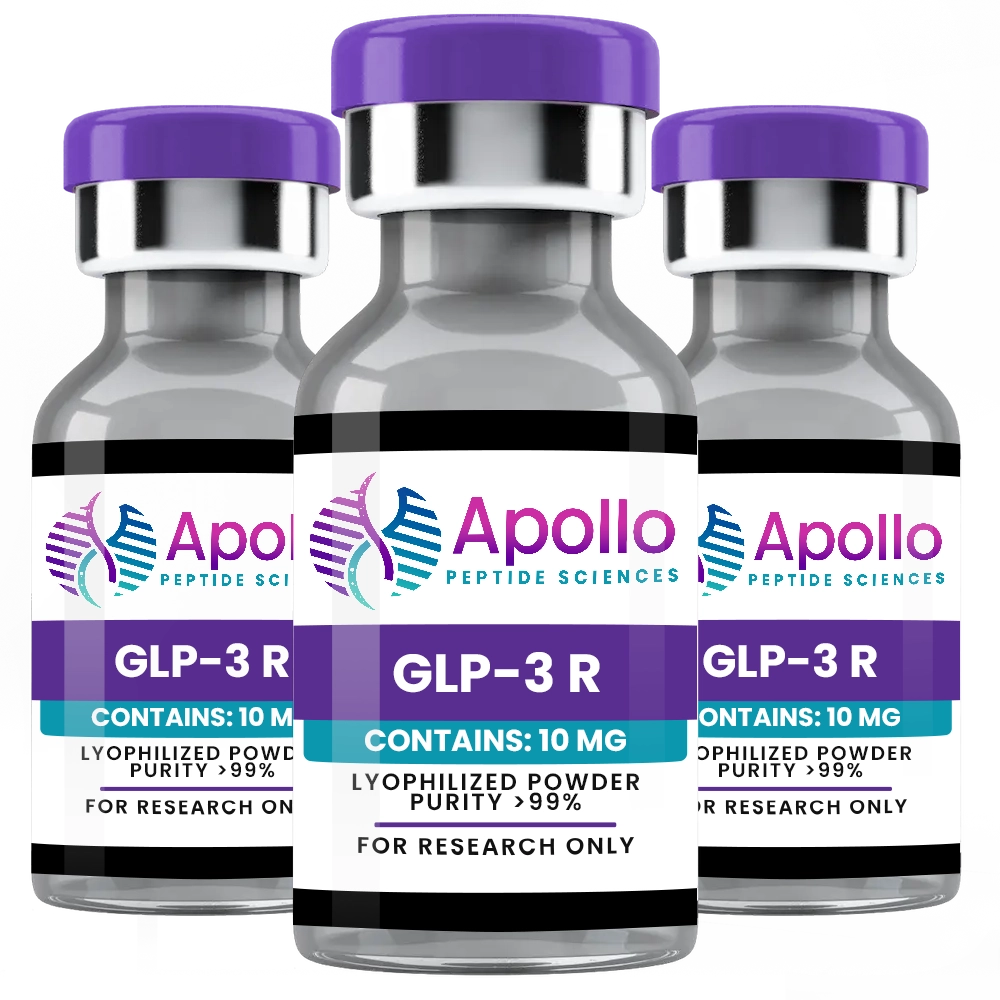
- Avoid Websites Using Cryptic Disclaimer Language: Be wary of vendors selling products with labels like "For Research Purposes Only" or "Not for Human Consumption" alongside shopping carts that only accept cryptocurrency. These terms are used to bypass consumer protection laws and safety standards. \n
- Check for Proper Storage Guidance: Legitimate peptides are highly sensitive to temperature. If a vendor ships un-lyophilized liquid solutions without cold packs, the compound will likely degrade into useless, irritating sub-components before arriving. \n
 \n
\n\n
Common Mistakes and How to Avoid Them
\nThe most common mistake made by older adults trying BPC-157 is assuming that "more is better." Because chronic joint discomfort can be deeply frustrating, it is tempting to double the recommended dose to speed up results. However, excessive amounts of any peptide place an unnecessary burden on your metabolic clearance systems, potentially causing fluid retention and increased blood pressure, which directly strains the kidneys.
\nAnother major oversight is neglecting baseline diagnostic testing. Many consumers start a cycle without knowing their current kidney health. If you have underlying, undiagnosed mild chronic kidney disease (CKD)—which is not uncommon in men over 55—your body\'s ability to filter compounds is already reduced. To avoid complications, always obtain a basic metabolic panel (including eGFR, BUN, and creatinine) before starting, and re-test after two to three weeks to verify that your organ function remains stable.
\n\n\n\n
FAQ
\n \nIs BPC-157 proven to cause long-term kidney damage?
\nNo, it is not currently proven to cause kidney damage. In fact, preliminary animal studies show it may protect organs from toxic stress. However, because there are no extensive human clinical trials, its long-term safety profile in older adults with declining renal function remains unverified.
\n\nHow long does it take for BPC-157 to show noticeable results in joints?
\nIn most consumer reviews, users who respond well to the compound notice an initial reduction in localized ache and improved mobility within 2 to 4 weeks of consistent, appropriate use. If no change is experienced after 6 weeks, the compound is typically discontinued.
\n\nWhat are the most common BPC-157 side effects for men over 55?
\nWhile generally well-tolerated at moderate doses, reported side effects include mild dizziness, hot flashes, temporary nausea, and localized redness at the injection site. Rare instances of fluid retention or blood pressure fluctuations have occurred, particularly with unverified or high-dose products.
\n\nCan it combine with blood pressure or cholesterol medications safely?
\nThere are no documented clinical drug interactions between BPC-157 and standard cardiovascular medications. However, because BPC-157 can influence nitric oxide pathways and vascular tone, anyone taking antihypertensive medications should monitor their blood pressure closely and consult their physician.
\n\nWhich is better for minimizing systemic risks: oral vs injection alternatives?
\nOral capsules are generally preferred by cautious consumers because they undergo first-pass digestion, avoiding direct systemic spikes and making them gentler on the body\'s overall equilibrium. Injectables offer superior bioavailability for localized injuries but carry higher risks of contamination or local irritation if not sourced from a licensed compounding pharmacy.
\n\n\n\n
A Practical 2-Week Experiment Framework
\nIf you choose to move forward with evaluating BPC-157, it is critical to approach it not as an aggressive treatment, but as a cautious, short-term experiment. Below is a conservative framework focused entirely on safety, monitoring, and mitigating risk over a two-week period.
\n \nStep 1: Establish Your Health Baseline
\n Before purchasing or consuming any product, schedule a standard blood panel with your healthcare provider. Ensure your estimated Glomerular Filtration Rate (eGFR) is safely above 60 mL/min/1.73m², and that your creatinine levels are well within the normal range. If your baseline numbers show preexisting kidney strain, halt the experiment immediately.
Step 2: Implement a Low, Consistent Dose
\n If utilizing a clinically prescribed oral format, start with a conservative dose of 250 mcg once daily in the morning on an empty stomach. If utilizing an injectable format under medical supervision, restrict the dose to 250 mcg daily. Do not alter the dosage during this initial phase, regardless of whether you feel immediate joint changes.
Step 3: Daily Health Tracking
\n Maintain a simple log checking for the following safety metrics every morning:\n
- \n
- Blood Pressure: Check to ensure there are no sudden, unexplained spikes. \n
- Weight and Fluid Retention: Note any sudden weight gain of 3+ pounds within 48 hours, which can indicate your kidneys are retaining fluid. \n
- Physical Symptoms: Document any occurrences of mild nausea, lower back flank discomfort, or unusual fatigue. \n
Step 4: The 14-Day Evaluation
\n At the end of the two weeks, review your log. If you experience any persistent negative symptoms or signs of fluid retention, stop taking the compound completely. If your body tolerates the compound comfortably, you can choose to continue under medical guidance for an additional two weeks before repeating your blood work to verify your long-term kidney safety profile.
\n\n
About the Author
\nMark Vance is a veteran health journalist and independent supplement analyst specializing in age-management strategies for men over 50. With over fifteen years of experience evaluating fitness trends, laboratory testing standards, and anti-aging research, Mark focuses on providing realistic, no-nonsense insights that help consumers navigate complex wellness choices safely.
\n \n\n Disclaimer: The information provided in this article is intended strictly for educational and informational purposes. It does not constitute medical advice, diagnosis, or treatment. BPC-157 is not fully approved by the FDA for human consumption, and its long-term effects are still being studied. Always consult with a qualified physician or nephrologist before introducing any new peptide or lifestyle supplement, especially if you have a history of chronic medical conditions.\n\n
Discussion