Peptide Sciences Bpc-157 BPC-157: Miracle Healing Peptide or Hidden Danger?
\nBPC-157: Miracle Healing Peptide or Hidden Danger?
\n\nIf you hang around fitness forums, TikTok subcultures, or local powerlifting gyms long enough, you will inevitably hear whispers about a "wolverine drug." For young men aged 18 to 24 pushing their physical limits, dealing with a torn rotator cuff, tennis elbow, or a stubborn knee strain can feel like an existential crisis. When traditional rest and physical therapy take too long, the internet points toward an alluring alternative: experimental peptides. At the absolute forefront of this movement is a compound known as Body Protection Compound-157.
\n\nThe online discourse surrounding this compound is deeply polarized. On one side, biohacking influencers present it as an indispensable tool for rapid tissue regeneration. On the other, regulatory bodies and cautious researchers warn against injecting unapproved research chemicals into your body. This brings us to the core question: Is BPC-157: Miracle Healing Peptide or Hidden Danger? This review aims to cut through the marketing noise, avoid emotional exaggeration, and deliver an objective, consumer-first analysis of what this peptide can and cannot do.
\n\n\n\n
What BPC-157 Is and Who It Might Fit Best
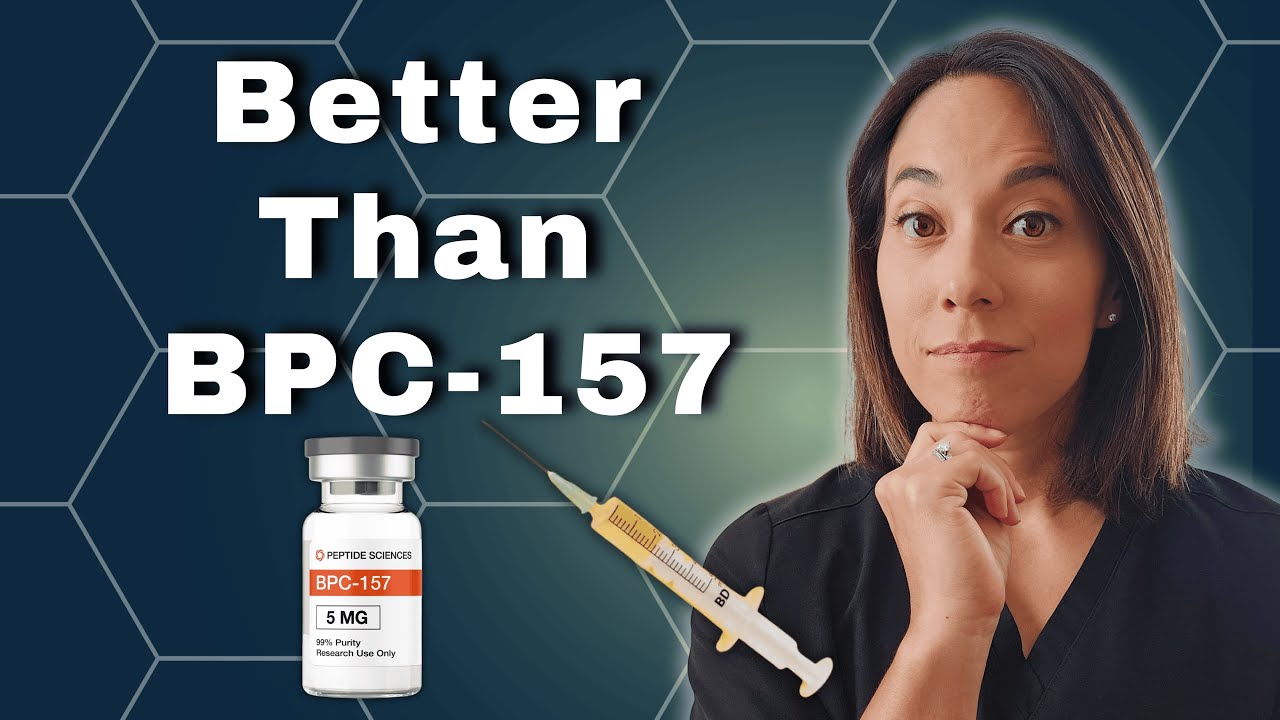
\nBPC-157 is a synthetic peptide consisting of 15 amino acids. It is derived from a protective protein naturally occurring in human gastric juice. Structurally, it is classified as a partial sequence of the larger "Body Protection Compound" discovered in the late 20th century. Unlike standard over-the-counter supplements or prescription anti-inflammatories that merely mask pain, this peptide is purported to work at a cellular level, stimulating angiogenesis—the formation of new blood vessels—and upregulating growth factor receptors to actively accelerate tissue repair.
\n\nIn the current consumer market, this compound is not approved by the FDA for human consumption and occupies a legal gray area, sold widely under the designation "for research purposes only." Despite this barrier, it has attracted a specific demographic. It typically appeals to:
\n- \n
- Young Athletes and Weightlifters: Individuals dealing with acute soft tissue injuries (tendonitis, ligament sprains, muscle tears) that stall training progress. \n
- Chronic Injury Sufferers: Those who have exhausted standard physical therapy and are looking for a last resort for nagging pain. \n
- Biohackers and Experimental Consumers: Self-directed individuals comfortable with navigating the risks of the unregulated research chemical market. \n
\n\n
Practical Benefits and Where It Falls Short
\nWhen assessing experimental compounds, relying purely on laboratory theories is insufficient. It is crucial to look at how real people respond. Anecdotal data shows a massive spectrum of outcomes, ranging from rapid, unexpected relief to complete failure and distressing side effects.
\n\nA Positive Consumer Case Study
\n\n\n\nSubject: Marcus, 22-year-old competitive powerlifter.
\n
\n Issue: Chronic patellar tendonitis for 8 months; pain level 7/10 during squats.
\n Protocol: Injectable acetate form, 250 mcg twice daily, localized near the knee for 4 weeks. Total cost: $110.
\n Outcome: By day 10, Marcus reported a noticeable reduction in morning stiffness. By week 4, his pain decreased to a manageable 2/10, allowing him to resume light squatting. He experienced no localized irritation or systemic side effects during the run. He noted that while it didn\'t completely "cure" the underlying biomechanical issue, it dramatically accelerated his rehabilitation window.
A Negative Consumer Case Study
\n\n\n\nSubject: Tyler, 20-year-old fitness enthusiast.
\n
\n Issue: Chronic shoulder discomfort and mild irritable bowel symptoms.
\n Protocol: Oral arginate capsules, 500 mcg per day for 2 weeks. Total cost: $85.
\n Outcome: Within 48 hours of starting the oral protocol, Tyler experienced severe bouts of brain fog, sudden anxiety spikes, and unexplained lethargy. His gut issues worsened, resulting in mild nausea. Furthermore, his shoulder pain remained completely unchanged. He discontinued use after 14 days due to psychological distress, and it took an additional week for his mental clarity to return to baseline. This underscores that response to the peptide is highly individualized.
 \n
\n\n
What Research Suggests and What It Doesn\'t
\nThe internet is flooded with claims that this compound can mend bones in days and fix leaking guts instantly. However, a strict look at the scientific literature reveals a massive disconnect between laboratory data and human applications. If you are trying to understand the safety profile of BPC-157, you must realize that almost all published studies have been conducted on rodents (rats and mice) or in vitro (in cell cultures).
\n\nAnimal studies have yielded highly promising data. Researchers have observed accelerated healing of the Achilles tendon, improved bone-to-tendon healing, and rapid repair of gastric ulcers in rats. The compound appears to influence the expression of genes responsible for collagen production and early growth response. However, rats are not humans. Animal metabolic rates, systemic responses, and biological pathways differ significantly from ours.
\n\nCrucially, there are virtually zero peer-reviewed, large-scale human clinical trials verifying its safety, ideal dosing, or long-term side effects. We do not know its exact impact on human organ systems over a multi-year period. One of the most significant theoretical risks discussed by oncologists is its primary mechanism: angiogenesis. While growing new blood vessels heals a damaged tendon, it could theoretically feed existing, undiagnosed tumors, accelerating cancer growth. Without long-term human data, anyone using this compound is participating in an unmonitored self-experiment.
\n\n\n\n
Ingredients, Formats, and Quality Signals
\nIf you choose to navigate the market, you will quickly find that not all products are created equal. Because it is sold in an unregulated space, quality varies wildly from one vendor to another. The compound is primarily distributed in two distinct molecular formats, paired with specific delivery methods:
\n\n- \n
- BPC-157 Acetate (Injectable Vials): This is the traditional, freeze-dried (lyophilized) white powder. It requires bacteriostatic water for reconstitution and must be kept refrigerated. It is highly unstable and sensitive to heat and vigorous shaking. It is typically injected subcutaneously or intramuscularly near the site of injury. \n
- BPC-157 Stable Arginate (Oral Capsules): A newer variation that binds the peptide to an arginate salt. This chemical modification protects the peptide from being broken down prematurely by harsh stomach acids, making it viable for oral consumption. It is primarily favored for systemic recovery and gastrointestinal issues. \n
When analyzing ingredients, a legitimate product should list nothing other than the pure peptide sequence or its stable salt, along with standard inert binders if in capsule form. The single most critical quality signal is a verifiable, recent Third-Party High-Performance Liquid Chromatography (HPLC) and Mass Spectrometry (MS) report. These lab sheets must verify two things: purity (which should ideally be above 99%) and accurate mass content (ensuring a 5mg vial actually contains 5mg of the active compound).
\n\n\n\n\n\n
Comparison of Common Options
\nTo give you a clearer picture of how different options compare in terms of convenience, expense, and target areas, review the table below based on aggregated consumer feedback and market averages.
\n\n| Format | \nTypical Dose/Use | \nPros | \nCons | \nCost | \nBest For | \n
|---|---|---|---|---|---|
| Injectable Acetate | \n250–500 mcg daily (subcutaneous) | \nHigh bioavailability; direct localized action. | \nRequires needles; high risk of contamination; fragile. | \n$45 - $70 per 5mg vial | \nAcute tendon tears, joint injuries. | \n
| Stable Arginate (Oral) | \n500 mcg daily (capsule form) | \nNo needles; shelf-stable; easy to travel with. | \nLower localized tissue impact; higher overall price. | \n$80 - $120 per bottle (60 caps) | \nGut inflammation, general systemic health. | \n
| Standard Oral Acetate | \n500–1000 mcg daily (capsule) | \nNon-invasive; easy to ingest. | \nHighly degraded by stomach acid; poor value. | \n$50 - $70 per bottle | \nNot recommended due to degradation. | \n
| Nasal Spray | \n200-400 mcg daily (intranasal) | \nFast systemic absorption via mucous membranes. | \nCan cause nasal irritation; rare format. | \n$60 - $90 per spray | \nSystemic inflammation, alternative to needles. | \n
| Pre-Mixed Blends | \nVaries based on compound ratio | \nSynergistic claims (often paired with TB-500). | \nImpossible to isolate side effects; frequently underdosed. | \n$90 - $150 per vial | \nAdvanced users willing to take multi-compound risks. | \n
\n\n
Buying Framework and Red Flags
\nIf you choose to purchase these compounds despite the lack of clinical regulation, you must approach the transaction with extreme caution. The marketplace is riddled with exit scams, underdosed vials, and dangerous bacterial contaminants. Use this practical verification checklist before entering your credit card or crypto details:
\n\n- \n
- ⬜ Independent Testing Check: Does the vendor provide a clickable link to a third-party testing facility (such as Janoshik or MZ Biolabs) that is less than six months old? (Do not trust static JPEG screenshots that can easily be manipulated in Photoshop). \n
- ⬜ The "Peptide Blend" Trap: Avoid vendors selling pre-mixed liquid solutions containing multiple compounds (e.g., BPC-157 mixed with TB-500 in liquid form). Peptides degrade rapidly when left in water for extended periods; they must be sold as dry, lyophilized powder. \n
- ⬜ Unrealistic Medical Guarantees: Walk away immediately if a website claims their product is guaranteed to cure arthritis, fix structural tears, or is "100% safe for humans." True research chemical vendors use strict disclaimer language. \n
- ⬜ Vague Pricing: Look out for bulk deals that seem entirely too good to be true. If a vendor offers five 10mg vials for $50, the production costs alone mean the product is almost certainly counterfeit or cut with cheap fillers like mannitol. \n
 \n
\n\n
Common Mistakes and How to Avoid Them
\nMost bad experiences with experimental peptides trace back to fundamental user error. By understanding these pitfalls, you can mitigate unnecessary risks to your health and wallet.
\nThe single most destructive error is ignoring sterile technique during reconstruction. If using the injectable route, failing to wipe down the vial stopper with a fresh isopropyl alcohol swab, or reusing a syringe, can introduce harmful bacteria directly into your tissue. This causes painful subcutaneous abscesses that require emergency medical drainage and heavy antibiotics.
\nAnother major mistake is over-shaking the vial. Peptides are incredibly delicate, held together by fragile peptide bonds. If you squirt bacteriostatic water forcefully directly onto the powder cake or shake the vial like a protein shaker, you risk mechanical shear, effectively destroying the molecule before it ever enters your system. Always let the water slowly trickle down the glass inner wall and gently swirl the vial to dissolve the powder.
\nFinally, avoid treating the peptide as a green light to ignore recovery. Many young lifters take this compound, feel an immediate reduction in localized pain due to its anti-inflammatory effects, and instantly return to heavy lifting. This is a recipe for a catastrophic injury. Masking pain does not mean the structural integrity of a tendon has fully restored. Treat any perceived pain relief as a window to perform safe, controlled physical therapy, not an invitation to hit a new personal record in the gym.
\n\n\n\n
FAQ
\n\nIs BPC-157 proven to heal human injuries safely?
\nNo, it is not scientifically proven for human use. While animal models show remarkable efficacy in repairing tissue, there are no comprehensive, published human clinical trials validating its safety profile or long-term structural benefits. Users should view it as an experimental compound rather than an established medical treatment.
\n\nHow long does it take for BPC-157 to work on joint issues?
\nIn anecdotal consumer reports, users who experience a positive response typically notice a reduction in acute inflammation and localized pain within 7 to 14 days. However, structural remodeling of stubborn connective tissues like tendons or ligaments generally requires 4 to 6 weeks of consistent, disciplined application alongside targeted physical therapy.
\n\nWhat are the short-term side effects of BPC-157 injections?
\nReported short-term adverse effects include localized redness, bruising, or a burning sensation at the injection site. Systemically, a small percentage of users report transient bouts of severe brain fog, sudden heart palpitations, hot flashes, unexplained anxiety spikes, and mild digestive upset shortly after administration.
\n\nCan it combine with other recovery supplements safely?
\nBecause there is a complete lack of official human drug-interaction data, combining it with other compounds carries unknown risks. In fitness communities, it is frequently stacked with TB-500 or standard joint supplements like glucosamine and collagen. However, mixing experimental peptides increases the difficulty of isolating the root cause if a dangerous side effect occurs.
\n\nShould I choose oral vs injection/alternative formats for injury recovery?
\nYour choice depends entirely on the target injury site. Consumer consensus states that for localized structural problems—such as a specific tendon strain or joint injury—injectable acetate near the site is preferred due to higher localized bio-availability. For issues like systemic inflammation or gut issues, the oral stable arginate format is considered superior as it survives the digestive tract.
\n\n\n\n\n\n
A Practical 2-Week Experiment Framework
\nIf you have weighed the scientific limitations and decided to proceed with an experimental trial, you should do so with a structured framework designed to minimize harm and catch adverse reactions early. This hypothetical 2-week baseline protocol focuses heavily on safety over optimization.
\n\nPhase 1: Pre-Trial and Baseline Isolation (Days 1–2)
\nBefore introducing the compound, eliminate all other new supplements, pre-workouts, or experimental sleep aids from your regimen. You need an isolated physiological baseline so that if you experience sudden heart palpitations, mood shifts, or rashes, you can immediately identify the peptide as the direct culprit. Document your baseline pain level on a scale of 1-10 and note your current resting heart rate.
\n\nPhase 2: The Micro-Dose Tolerance Test (Day 3)
\nNever jump immediately into a full recommended dose. On day 3, administer a tiny fraction of a standard dose—approximately 50 mcg. The goal here is not to trigger tissue healing, but to screen for an acute allergic reaction or immediate neurological distress. Monitor your vitals, skin condition, and cognitive clarity for a full 24 hours.
\n\nPhase 3: Conservative Step-Up (Days 4–14)
\nIf no adverse symptoms appear during the tolerance test, transition to a conservative dose of 250 mcg taken once daily in the morning. Keep a simple, daily written log tracking three key metrics: localized pain levels during basic movements, gastrointestinal comfort, and sleep quality. If at any point during this 2-week window you experience persistent brain fog, severe lethargy, or unexpected mood swings, abort the trial immediately and allow your system to flush out the compound.
\n\n\n\n
About the Author
\nLiam Vance is an independent biohacking researcher and health journalist specializing in performance-enhancing compounds and sports science analysis. Over the past six years, Liam has reviewed dozens of experimental recovery protocols, analyzing independent lab testing trends and reporting extensively on gray-market product quality control. He maintains a completely independent stance, accepting no sponsorships or affiliate kickbacks from peptide manufacturers or research chemical distribution websites.
\n\nDisclaimer: The information contained in this article is provided strictly for educational, historical, and informational purposes. BPC-157 is an unapproved compound that is not cleared by the FDA for human consumption. This content does not constitute medical advice, diagnosis, or treatment. You should always consult with a qualified, licensed medical professional before introducing any experimental research chemical, peptide, or supplement into your lifestyle.
\n\n
Discussion